
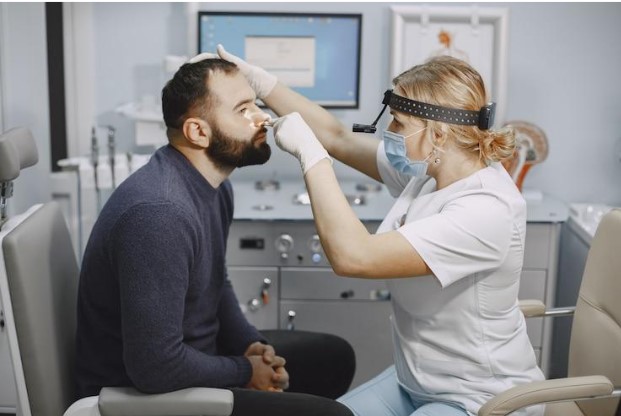
When your nose is stuffy, it becomes difficult to breathe due to ongoing sinus infections. You may experience headaches and painful pressure in the nose, making it hard to sleep or work comfortably. This can also block the ears and lead to respiratory infections, allergies, and atmospheric pressure sensitivity. The first step you can take is balloon sinuplasty, which provides long-term relief from these uncomfortable symptoms. You should also follow sinus rinses, warm compresses, and decongestants so you can say goodbye to drainage and a stuffy nose and enjoy comfortable breathing.
1. Balloon Sinuplasty Treatment
Many chronic and ongoing sinusitis patients do not get relief from medicines or conventional sinus surgeries. Balloon sinuplasty uses a small balloon to gently dilate the natural sinus drainage pathways, improve airflow, and clear the sinuses without removing tissue. In some clinics, sinuplasty is done under local anesthesia with gel-based methods, specialized instruments, and cameras, with no visible incisions or bruising. Whether patients need to improve the natural ability to clear sinus secretions or enhance sinus health, balloon sinuplasty provides long-lasting relief from symptoms. The procedure is quick, and patients return to normal life within two days.
2. Use a Sinus Rinse
When the sinus pressure and nasal congestion rise beyond your tolerance, you should start using a saline rinse kit with your doctor’s recommendation. Saline irrigation is an effective way to filter and clean irritants that cause swelling or mucus production. This becomes very helpful and makes breathing easy during the day and night. You must use only sterile or distilled water, or boiled water. This safe practice improves the natural ability to clear sinus secretions and supports long-lasting relief from symptoms.
3. Keep Your Head Elevated
When you suffer from sinusitis and nasal congestion, the first severe discomfort is the headache. When your head moves even slightly, a mild headache turns into throbbing pain. That is why you should keep your head elevated. If your head stays below the level of your heart, blood circulation increases in the head and causes severe pain. Therefore, always keep your head above the heart so the blood flow stays normal and sinus pressure decreases.
4. Use Warm Compress and Hydration
You may be surprised to know that warm compresses and drinking plenty of water help reduce sinus pressure and nasal problems. They ease pain and reduce pressure. The best practice is to place a cloth dipped in warm water or a warm towel on the face, which helps open the nose and allows free breathing. If you drink too little water and stay dehydrated, the mucus becomes thick and does not drain from the sinuses, causing blockage. Both practices help you maintain clear breathing and healthy sinus function.
5. Use a Decongestant Safely
Another thing that helps with sinus pressure and nasal congestion is a decongestant or nasal spray. If you suffer from severe cold or flu with congestion, a good nasal spray reduces pain, sinus pressure, and blockage. It also clears debris and contaminants from the nostrils for easy airflow. However, you must be careful not to overuse nasal sprays because dependency can be harmful.
