
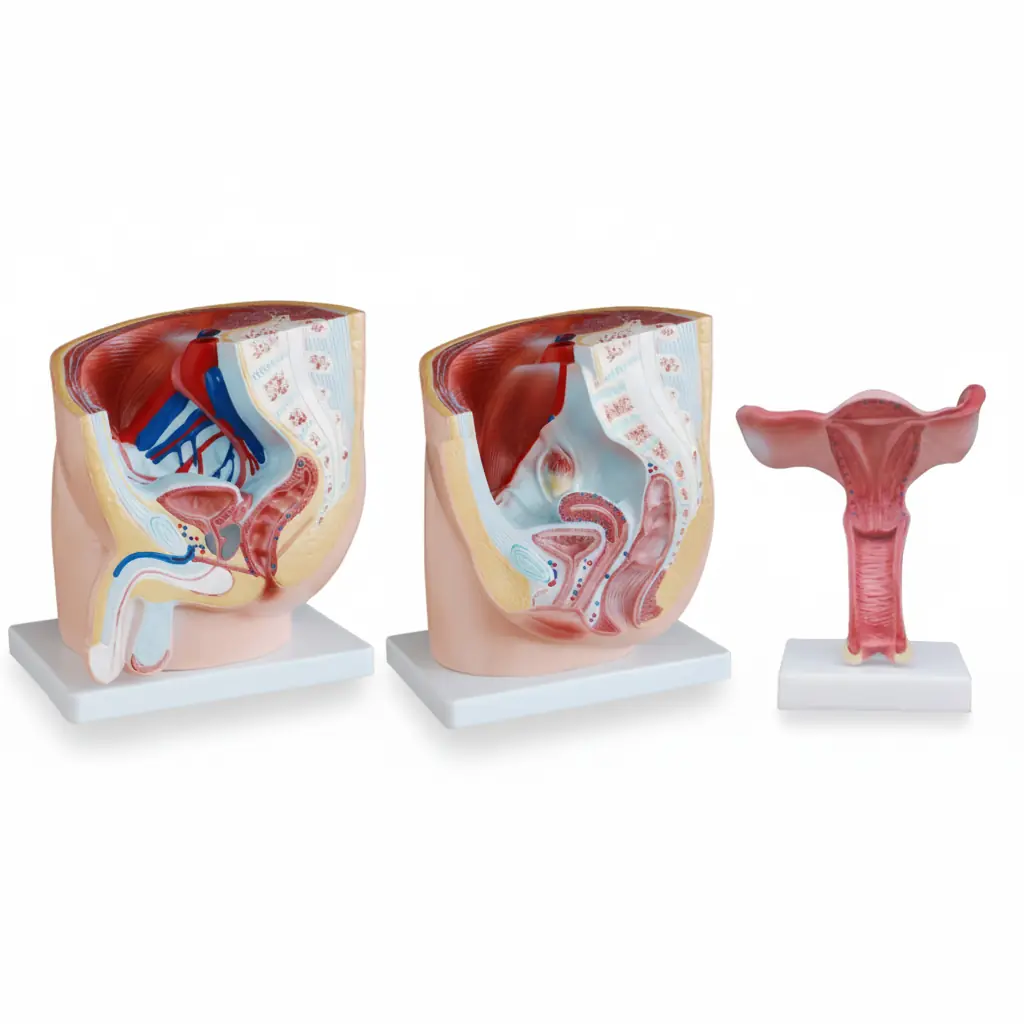
The human body is often studied in isolated parts, but some systems require a more integrated approach to truly understand their function. One such system is the female reproductive system, where structure, timing, and coordination all play a vital role. For learners at any stage, having the ladies reproductive system explained in a structured and practical way can make a significant difference in comprehension.
A System Designed for Coordination
The female reproductive system is not just a collection of organs—it is a coordinated network that functions together over time. Each component plays a specific role, but none operates independently.
The key structures include:
- Ovaries, responsible for producing eggs and hormones
- Fallopian tubes, where fertilisation typically occurs
- Uterus, which supports pregnancy and foetal development
- Cervix, acting as a gateway between the uterus and vagina
- Vagina, serving as both a reproductive and birth canal
Understanding how these structures connect is essential for building a complete picture of the system.
The Role of Cycles and Timing
One of the defining features of the female reproductive system is its cyclical nature. Unlike many other systems in the body, it operates on a repeating hormonal cycle that prepares the body for potential pregnancy.
This cycle involves:
- The release of an egg from the ovary
- Preparation of the uterine lining
- Hormonal regulation of these processes
Timing is critical. Each phase of the cycle influences the next, creating a sequence that must be understood as a whole rather than as separate events.
Hormones as the Driving Force
Hormones act as the control system behind reproductive function. They regulate when and how different processes occur, ensuring that the system operates smoothly.
Key hormonal roles include:
- Stimulating egg development
- Triggering ovulation
- Preparing the uterus for implantation
These chemical signals coordinate activity across different organs, demonstrating how the system relies on communication as much as structure.
Structural Relationships Within the Pelvic Region
The reproductive organs are located within the pelvic cavity, where space is limited and structures are closely positioned. This proximity means that changes in one area can influence others.
For example:
- The position of the uterus can affect the bladder
- Hormonal changes can impact surrounding tissues
- Structural shifts may influence overall comfort and function
Understanding these relationships helps learners see how anatomy operates within a confined but highly organised space.
From Normal Function to Clinical Relevance
A clear understanding of the reproductive system is essential not only for academic study but also for clinical application. Many medical conditions relate directly to this system, including hormonal imbalances, structural abnormalities, and reproductive health issues.
By understanding normal anatomy and function, learners are better equipped to:
- Recognise when something is not functioning as expected
- Interpret symptoms more accurately
- Understand the basis of different treatments
This connection between theory and practice is crucial in healthcare education.
The Importance of Visual and Practical Learning
Because of its complexity, the female reproductive system can be difficult to visualise through text alone. Learners often struggle to understand depth, positioning, and interaction between structures.
A more effective approach involves:
- Visualising the system in three dimensions
- Exploring how structures relate to one another
- Observing how the system changes over time
This type of learning helps transform abstract concepts into clear, understandable knowledge.
Building a Strong Foundation for Advanced Study
The female reproductive system is a foundational topic for many medical and healthcare disciplines. A strong understanding at an early stage supports further learning in areas such as:
- Obstetrics and pregnancy care
- Gynaecology and reproductive health
- Endocrinology and hormonal regulation
By developing a clear and structured understanding, learners can approach these advanced topics with greater confidence.
A System of Balance and Adaptation
One of the most remarkable aspects of the female reproductive system is its ability to adapt. It responds to hormonal signals, environmental factors, and physiological changes, maintaining balance while preparing for potential reproduction.
This adaptability highlights the importance of studying the system not just as a fixed structure, but as a dynamic and responsive network.
Conclusion
Understanding the female reproductive system requires more than memorising anatomy—it involves recognising patterns, relationships, and timing. By approaching the subject in a structured and connected way, learners can gain a deeper and more practical understanding.
This foundation supports both academic success and real-world application, making it an essential part of medical and healthcare education.
